Why Drogheda Needs
City Status NOW
Drogheda is at a breaking point. We are currently the largest town in Ireland, yet we are being managed by a fragmented administrative system designed for the 19th century. To thrive, we don't just need more funding—we need autonomy.
The Growth Reality: Larger Than Cities, Funded as a Town
By 2026/27, Drogheda’s functional population will surpass Galway, Limerick, and Waterford. Despite this, we remain the only major urban centre in Ireland split between two separate local authorities.
The Investment Gap: Under current town-level infrastructure funding, Drogheda is left with an annual shortfall of roughly €14.3 million compared with cities.
The Population Powerhouse: With 70,189 people in our primary trade area, we are Ireland’s 4th largest urban area, yet we lack the dedicated governance that 4th-place status demands.
One Town, Two Councils: The Cost of Fragmentation
The "Town Administration Split" isn't just a map line—it’s a barrier to daily life. With 81.5% of the town in Louth and 18.5% in Meath, Drogheda is a house divided.
The "Poor Relation" Status
Nobody is Fully Responsible: Key decisions are split between Dundalk and Navan. When everyone is "partially" in charge, Drogheda becomes an afterthought.
Fragmented Services: We see estates split down the middle by confusing county lines, causing delays in everything from road maintenance to emergency service responses.
Ignored Recommendations: For years, boundary reviews and expert recommendations have gathered dust while two separate councils maintain a status quo that doesn't serve our citizens.
Locked Out of City-Level Funding: Drogheda's Scale vs. Administrative Status
Despite being on a trajectory to overtake or match established cities like Waterford, Limerick, and Galway in population, Drogheda is denied access to the full scale and power of the Urban Regeneration and Development Fund (URDF) because its classification as a town limits its project applications to a minimum value of €2 million, whereas official cities are mandated to pitch for massive, transformative schemes of €10 million or more.
“Drogheda Rural LEA, it would take an average of 8 years for a first-time buyer to get a home at current construction rates (630 homes built in 2025 for 5,015 non-homeowners aged 18-44). This is the fastest in Ireland, compared to Dublin's Palmerstown-Fonthill (1,865 years), Celbridge (338 years), or Blanchardstown-Mulhuddart (9.2 years)”
— Irish TimesDrogheda: Ireland's Gold Standard for New Homes, Bronze Age for Schools & Parks
Delivering 646 homes in 2024 and first-time buyers waiting just 8 years, while Dublin dreams of 1,865-year timelines. But where are the schools and playgrounds to match?
The Solution: City Status & Autonomy
City status isn't just a title; it is a unified engine for growth. It transforms Drogheda from a "split town" into a "unified city."
✓ Full Local Focus: Decisions about Drogheda would finally be made in Drogheda, by a dedicated City Council that lives and breathes our local challenges.
✓ Unified Planning: No more "split estates." City status provides one cohesive strategy for housing, transit, and infrastructure.
✓ True Autonomy: We stop asking for permission from neighboring hubs and start taking control of the funding Ireland’s largest town has already earned.
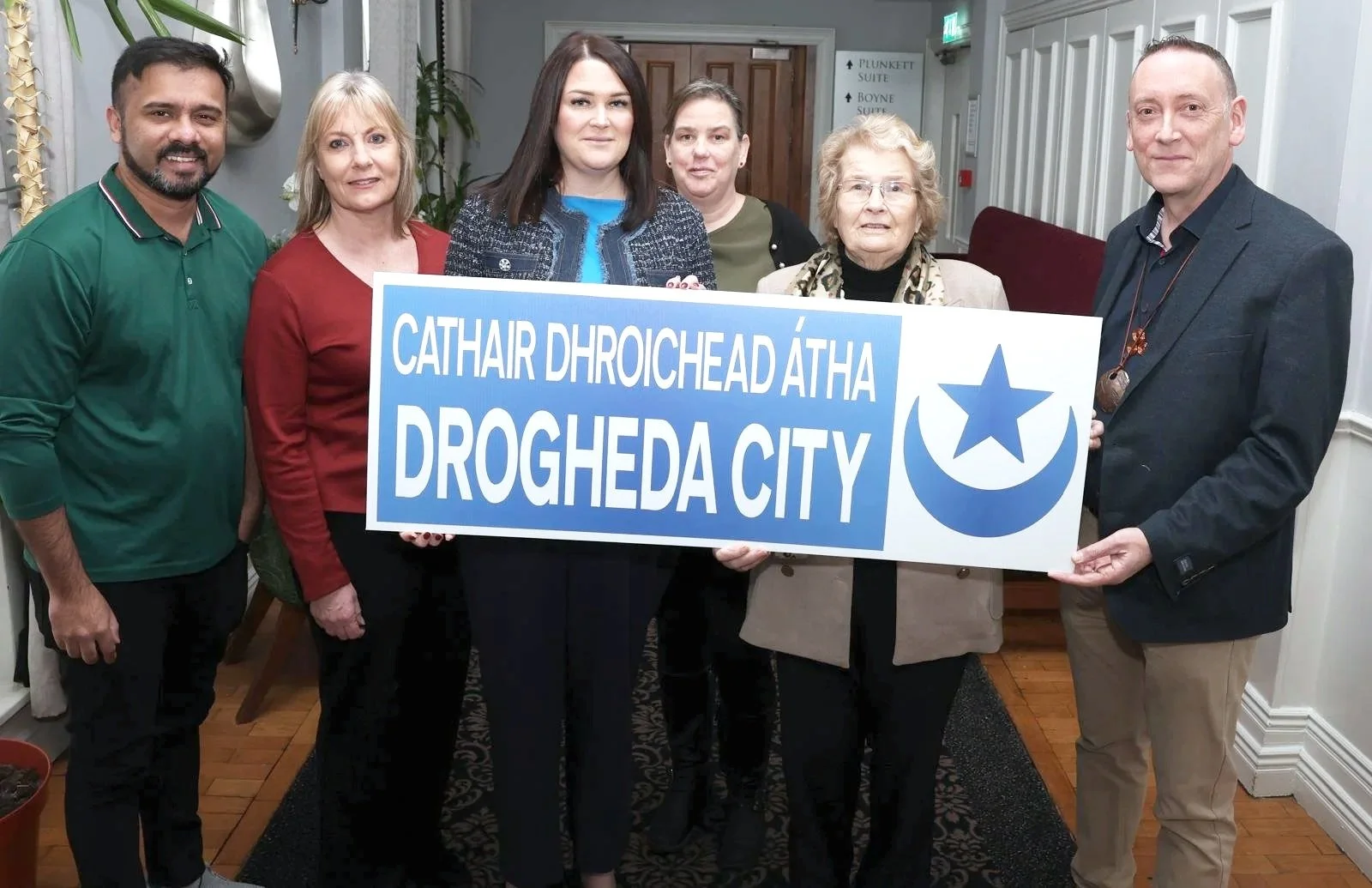
Take Action: Support the
Move to City Status
Drogheda is ready. Our population is ready. Our economy is ready. It’s time for our status to reflect our reality.
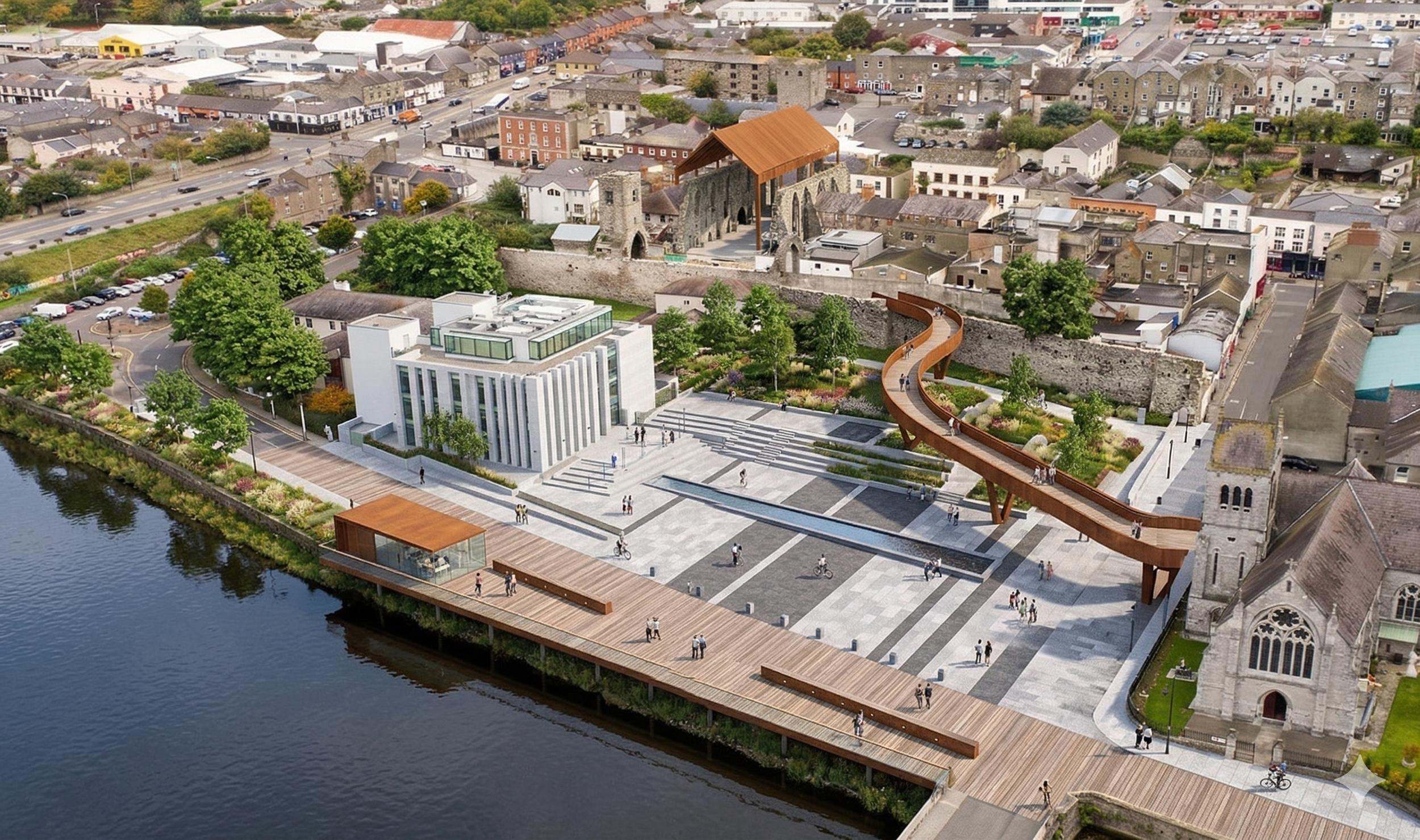
Louth County Council and Meath County Council may resist Drogheda becoming a separate city because it would reduce their money, reduce their control, and shift political power away from the county model.